Trends in Multi-Platform Synchronization for Blackjack Tournaments Among International Operators
Written by David Vogel · Sep 21, 2026
Trends in Multi-Platform Synchronization for Blackjack Tournaments Among International Operators
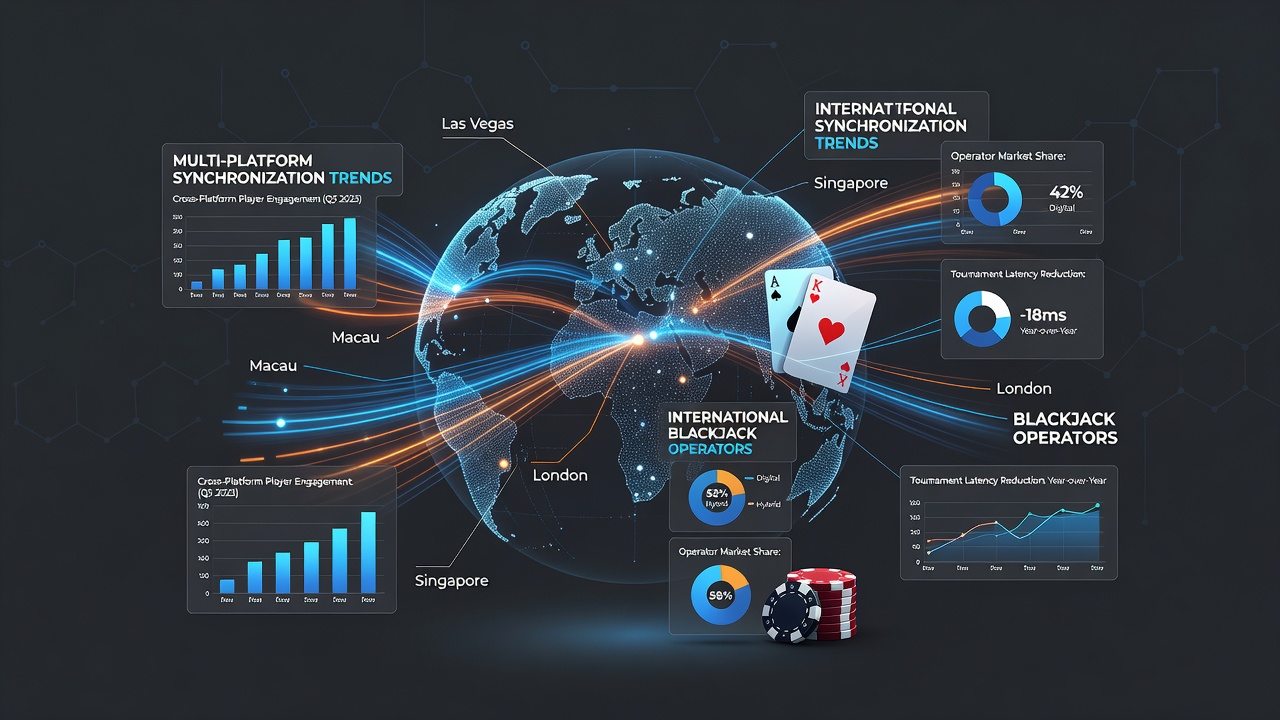
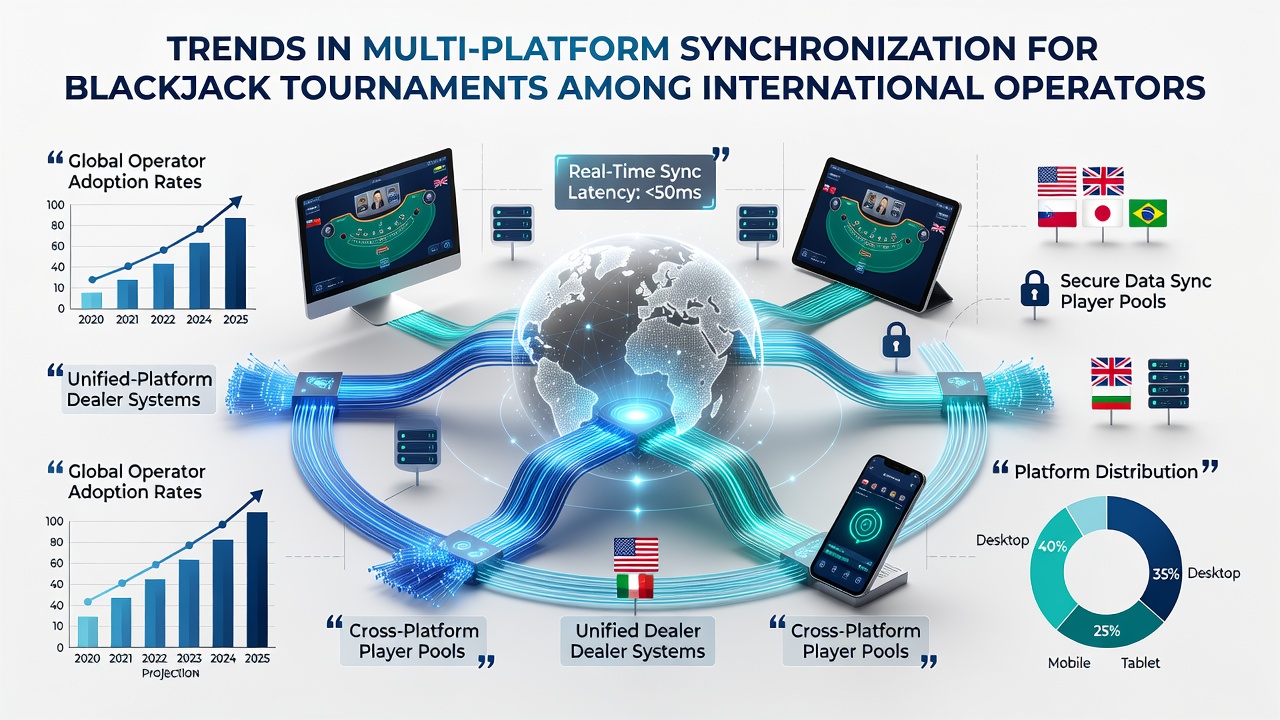
International operators managing blackjack tournaments now rely on multi-platform synchronization to connect players across desktop, mobile, and live dealer interfaces while preserving identical game rules, card sequences, and payout structures, and this coordination has grown more sophisticated since operators began integrating cloud-based APIs in the mid-2020s.
Data from regional gaming associations shows that synchronization systems reduce latency discrepancies to under 200 milliseconds in most cross-border events, and these improvements stem from standardized protocols that link separate software environments without exposing proprietary algorithms.
Technological Drivers Behind Synchronization
Operators have shifted toward containerized microservices that handle tournament logic independently of individual platform front ends, and this architecture allows updates to tournament brackets or blind structures to propagate instantly across all connected clients. Research from the University of Nevada Gaming Innovation Lab indicates that blockchain-based ledgers now record every card deal in select international events, creating an immutable audit trail that multiple regulators can access simultaneously.
Real-time data pipelines using WebSocket connections and edge computing nodes have replaced earlier batch-update methods, while operators report that these pipelines support concurrent participation from over 50,000 players during peak September 2026 tournament windows. European Gaming and Betting Association statistics reveal that API standardization across operators increased by 34 percent between 2024 and 2026, enabling smoother integration between legacy casino systems and newer mobile-first platforms.
Regulatory and Compliance Adaptations
Multi-jurisdictional tournaments require synchronization frameworks that satisfy differing licensing conditions on player eligibility, tax reporting, and game fairness testing, and operators achieve this by embedding jurisdiction-specific rule engines within the shared synchronization layer. Canadian provincial regulators, for instance, mandate separate RNG certification for any synchronized event that includes participants from outside the province, whereas Australian state authorities focus on data localization requirements that still permit real-time mirroring of tournament states.
Compliance teams now deploy automated monitoring dashboards that flag rule conflicts the moment a player from a restricted jurisdiction attempts entry, and these systems operate alongside the core synchronization service without adding measurable delay. Figures released by the Interactive Gaming Council show that synchronized tournaments conducted under such dual-layer oversight experienced a 22 percent reduction in compliance-related interruptions during the first half of 2026.
Operational Patterns Observed in 2026
Operators running weekly synchronized blackjack series have adopted staggered start times that align with peak connectivity windows in major markets, and this scheduling reduces server load while keeping prize pools consistent across regions. Tournament software now includes automatic failover routing that redirects traffic through secondary data centers when primary links experience congestion, and the switch occurs without resetting player hands or tournament standings.
One documented implementation involved an Asian-European operator pairing that synchronized a 10,000-player knockout event using dual-redundant time servers calibrated to Coordinated Universal Time, and the event concluded with identical final tables displayed on all participating platforms. Industry reports note that such pairings have become more common as operators seek larger prize pools without expanding their individual licensing footprints.
Security and Data Integrity Measures
Encryption standards for synchronized data streams have advanced to include quantum-resistant algorithms in several major deployments, and these measures protect card distribution sequences and player account balances during transit between platforms. Penetration testing conducted by independent labs has verified that the additional encryption layers do not exceed acceptable latency thresholds for live tournament play.
Access controls now segment synchronization privileges so that platform operators can view aggregated tournament statistics without accessing individual player data from other jurisdictions, and this segmentation aligns with emerging privacy frameworks in both North American and European markets. Observers note that these controls have helped maintain player trust even as the volume of cross-border synchronized events continues to rise.
Conclusion
Multi-platform synchronization for blackjack tournaments has moved from experimental pilots to operational standard practice among international operators, and the supporting technologies continue to evolve in response to both technical demands and regulatory expectations. Continued refinement of API standards, encryption protocols, and jurisdiction-aware rule engines suggests that synchronized events will expand in scale and geographic reach through the remainder of 2026 and beyond.