Rank Group Flags Risks of Casino and Bingo Hall Closures from Machine Games Duty Hike
Written by Blake Jenkins · Aug 21, 2026

Rank Group Flags Risks of Casino and Bingo Hall Closures from Machine Games Duty Hike
Rank Group, the operator behind Grosvenor Casinos and Mecca Bingo, has issued a direct warning that further increases to Machine Games Duty from 20% to 40% could trigger widespread closures of bingo halls and casinos across the UK; the company points to reduced tax receipts and damage to local communities as likely outcomes. This alert follows the April 2026 doubling of remote gaming duty from 21% to 40%, while Rank Group itself reported a 5% rise in gaming revenue to £835m for the year ending June, even as profits declined.
Details of the Proposed Tax Changes
Observers note that the current Machine Games Duty rate sits at 20% for land-based venues, yet government proposals would push it to 40% in a single step, matching the new remote gaming duty level; Rank Group references independent analysis showing that such a jump on slot machines could generate significant additional tax revenue, but the operator argues the net effect would include fewer operating sites and lower overall collections once closures begin. Those who've studied similar duty adjustments know the pattern often leads to reduced player volumes and venue viability, particularly in regional areas where margins remain tight.
Company Performance Amid Shifting Duties
Rank Group recorded gaming revenue growth of 5% reaching £835m for the financial year to June, yet profit figures moved in the opposite direction, highlighting the pressure from existing tax rises that took effect in April 2026. The remote gaming duty doubling applied directly to online operations, and the company now faces the prospect of parallel increases on physical machines inside its high-street locations. Data from the period shows revenue gains came despite these headwinds, but observers point out that sustained profit erosion leaves limited room for absorbing another 20 percentage point duty increase on Machine Games Duty.
Projected Impacts on Venues and Communities
Closures would not occur in isolation, because bingo halls and casinos often serve as social hubs in towns and cities where alternative entertainment options remain limited. Rank Group has stated that multiple sites could shut if the higher Machine Games Duty rate becomes law, which in turn would cut employment opportunities and remove local tax contributions from those venues. The analysis referenced by the company suggests the higher rate might boost collections from remaining slot machines, but Rank Group counters that the overall tax take would fall once sites disappear and player activity migrates or stops altogether. People in affected communities would notice the absence of these venues through reduced footfall for nearby businesses and fewer public spaces for social gatherings.
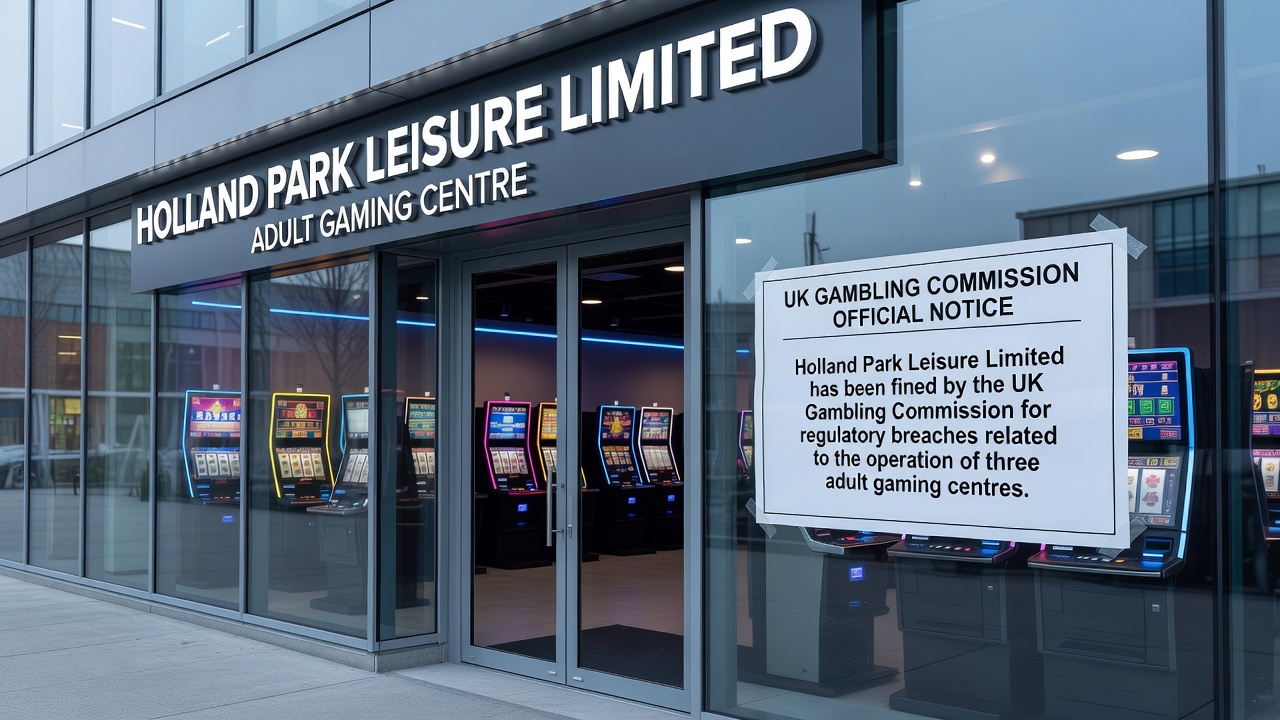
By August 2026 the cumulative effects of the April remote gaming duty change had already begun to influence operator planning, and the additional Machine Games Duty proposal now adds another layer of uncertainty for land-based operators. Rank Group has linked its revenue and profit figures directly to these policy shifts, noting that further duty escalation risks accelerating site rationalisation. Experts have observed that land-based gaming faces different cost structures than remote platforms, including higher property and staffing expenses, which makes uniform duty rates across channels particularly challenging for physical venues.
Broader Context of UK Gaming Taxation
The UK government has adjusted gaming duties multiple times in recent years, with the April 2026 remote gaming duty increase serving as the most recent example before the current Machine Games Duty proposal. Rank Group has drawn attention to research indicating that slot machine duty at 40% would deliver extra revenue on paper, yet the operator maintains that venue economics would deteriorate sharply once the change takes effect. Those monitoring the sector note that similar duty rises in the past have prompted operators to review their property portfolios, often resulting in selective closures rather than across-the-board price increases passed to players.
Local communities stand to lose more than just gaming facilities, since bingo halls and casinos frequently host events, support charities, and provide accessible leisure options for older demographics. Rank Group has emphasised that the combination of existing remote duty changes and the proposed land-based increase could reduce overall tax receipts once closures materialise, because fewer venues mean fewer machines contributing duty in the first place. Figures released alongside the warning show the company's gaming revenue still grew despite the April 2026 duty adjustment, but profit compression indicates the limits of absorbing further tax pressure without operational changes.
Conclusion
Rank Group's warning places the proposed Machine Games Duty increase at the centre of ongoing discussions about sustainable taxation for both online and land-based gaming sectors. The company has tied its £835m revenue outcome and subsequent profit decline directly to the April 2026 remote gaming duty doubling, while projecting further site reductions if the land-based rate rises to 40%. Analysis cited in the warning suggests additional tax from slot machines remains possible on current volumes, yet Rank Group maintains that venue closures would ultimately lower total receipts and affect surrounding communities. The situation continues to develop as operators assess their positions ahead of any final policy decisions.