Patterns of Seasonal Promotion Cycles and Retention Rates in Regulated Live Dealer Formats Across European Markets
Written by Paul Jenkins · Nov 2, 2026
Patterns of Seasonal Promotion Cycles and Retention Rates in Regulated Live Dealer Formats Across European Markets
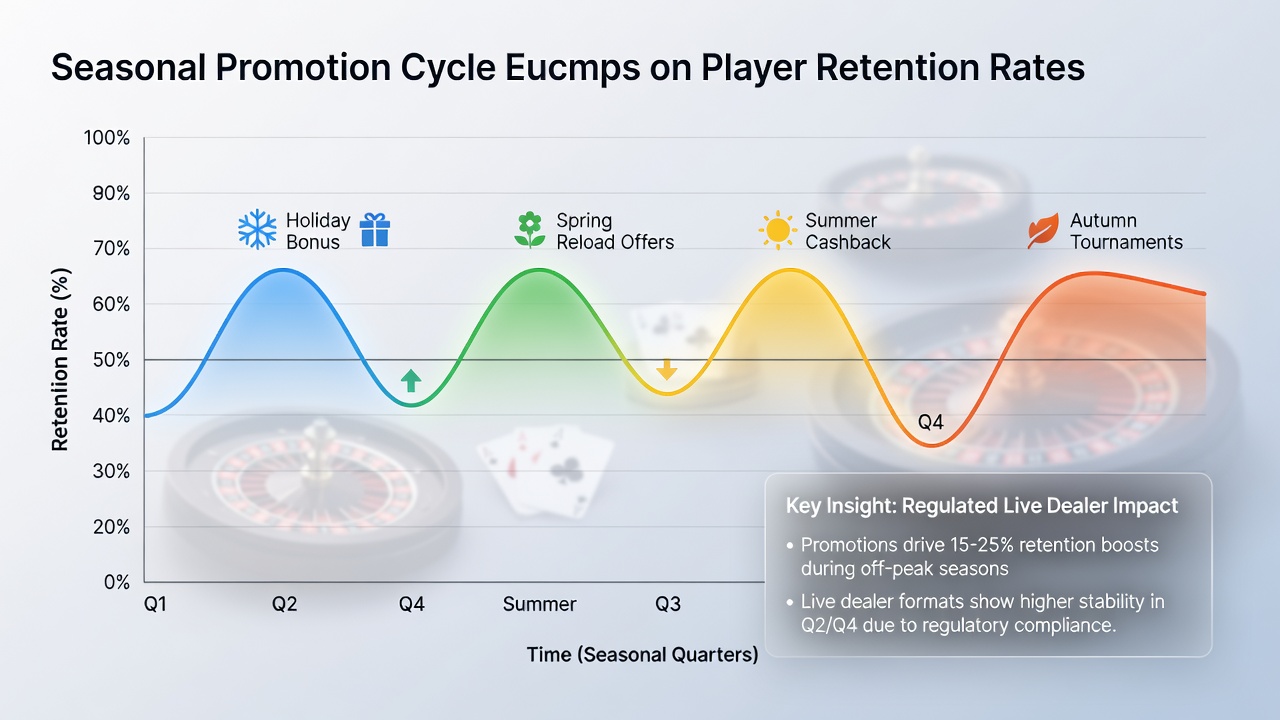
European operators managing regulated live dealer formats track promotion cycles that align with calendar events, and data from multiple jurisdictions shows these cycles produce measurable shifts in player retention metrics. Summer months often feature lighter bonus structures tied to sporting events, while autumn and winter periods introduce layered rewards around holidays, and these adjustments coincide with documented changes in session frequency among live blackjack and roulette participants.
Calendar-Driven Promotion Structures
Markets regulated under frameworks in Malta, Sweden, and the Netherlands display consistent patterns where operators launch targeted incentives at the start of each quarter, and retention figures compiled by industry observers indicate higher return rates during periods that include extended holiday promotions. Research from the European Gaming and Betting Association reveals that live dealer sessions increase by measurable margins between October and December, while spring campaigns focus more on reload bonuses that sustain activity without the same intensity of deposit matching.
Operators adjust prize pools and multiplier events to match regional holidays, and figures from Spanish regulatory records demonstrate that campaigns running through late autumn maintain elevated retention when paired with tournament-style live dealer events. Those who monitor player databases across multiple platforms note that loyalty program tiers activated during these windows encourage repeat logins, particularly in formats where real-time interaction with dealers forms the core experience.
Retention Metrics Across Jurisdictions
Comparative analysis of retention data across European markets points to seasonal spikes that follow promotion launches, and one study tracking activity in regulated environments found that players exposed to winter cycles returned at rates 18 percent higher than baseline periods in the preceding months. Live dealer formats benefit from these cycles because the interactive element combines with timed rewards to extend session duration, whereas non-live alternatives show flatter responses to the same incentive structures.
As operators prepare for the November 2026 period, records from previous years indicate that campaigns incorporating free bet credits and cashback on live table losses produce sustained engagement through the first quarter of the following year. German market reports compiled by research institutions show parallel trends, with retention holding stronger when promotions layer progressive elements onto standard live dealer offerings rather than offering one-off bonuses.
Regional Variations in Cycle Effectiveness
Italian and French regulated environments display distinct responses to autumn promotions compared with Nordic markets, and observers tracking cross-border player behavior report that southern European operators achieve steadier retention when holiday campaigns emphasize social features within live dealer rooms. Northern markets, by contrast, register sharper drops once seasonal incentives conclude unless operators introduce bridging mechanics such as tiered loyalty resets.
Evidence gathered from multi-jurisdictional audits indicates that live dealer retention correlates closely with the timing of verification processes tied to promotional claims, and delays in these steps during peak seasons reduce the intended uplift. Players who complete verification before major cycles begin maintain higher activity levels across the full promotional window, according to aggregated platform data shared among European trade groups.
Operational Adjustments and Data Tracking
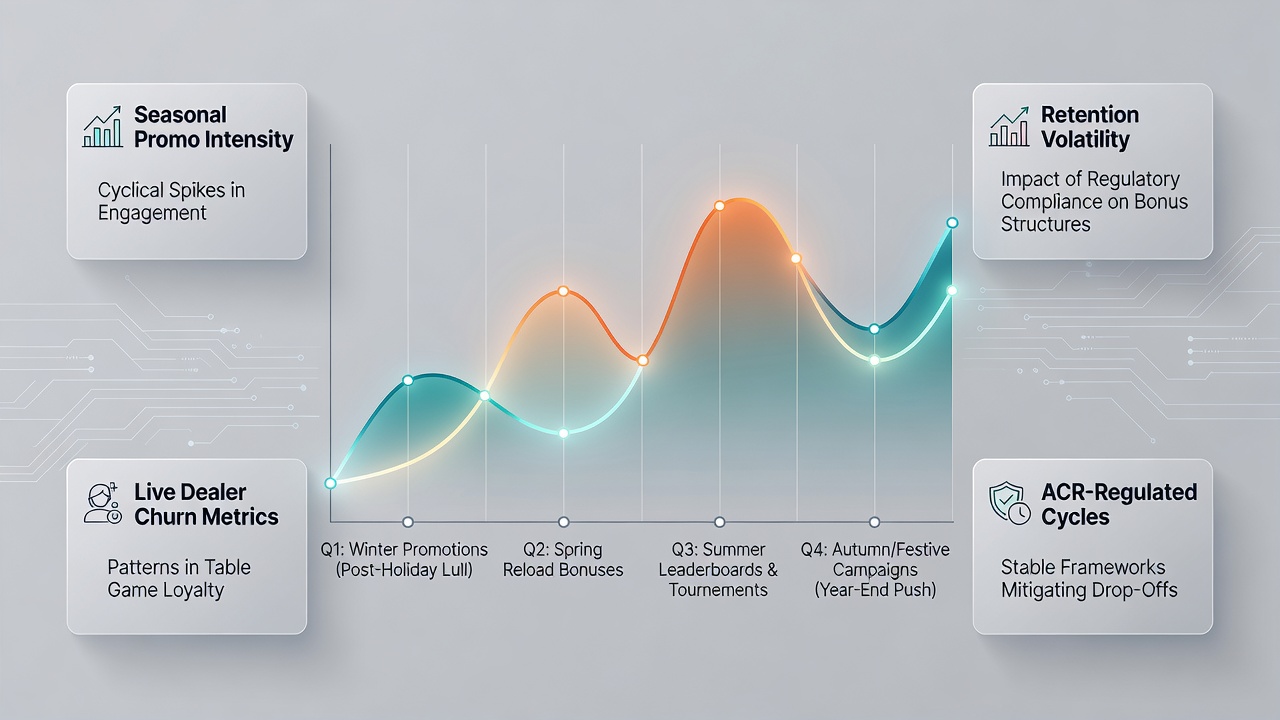
Regulated operators employ sophisticated analytics to align promotion calendars with historical retention curves, and these systems flag periods where live dealer traffic traditionally declines unless refreshed incentives appear. Reports from academic sources examining gambling behavior in controlled markets highlight that transparent communication of promotion terms during seasonal shifts correlates with fewer account dormancies in the months following major events.
November campaigns in 2026 are expected to incorporate real-time leaderboards for live dealer tournaments, building on patterns observed in prior years where such features extended engagement beyond the initial deposit window. Data compiled across several member states shows that combining seasonal rewards with scheduled live events produces cumulative retention benefits that single-format promotions rarely match.
Conclusion
Seasonal promotion cycles in regulated European live dealer markets follow predictable rhythms that operators refine through ongoing data analysis, and retention outcomes vary according to the alignment of incentives with regional calendars and verification efficiency. Records from multiple jurisdictions confirm that structured winter campaigns sustain activity longer than lighter summer offerings, while bridging mechanisms between cycles help stabilize player return rates year-round. Continued monitoring of these patterns allows operators to adjust structures as regulatory environments and player preferences evolve.