How Emerging Payment Verification Protocols Alter Access Timelines for Progressive Slot Rewards in Regulated Markets
Written by Blake Jenkins · Oct 19, 2026
How Emerging Payment Verification Protocols Alter Access Timelines for Progressive Slot Rewards in Regulated Markets
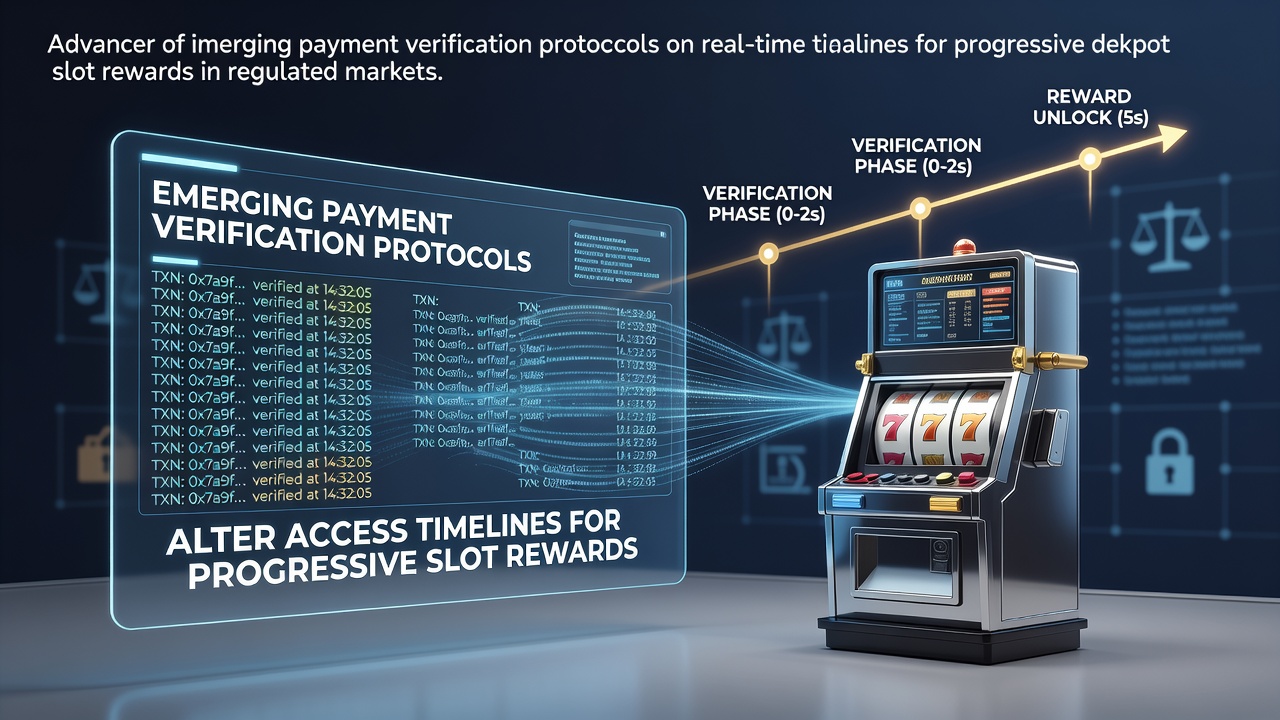
Payment verification protocols continue to evolve across regulated gaming jurisdictions, and these shifts directly influence how quickly players gain access to progressive slot rewards. Progressive jackpots accumulate across networks of machines or online platforms, yet the moment a win triggers, verification steps determine the payout window. In markets where real-time identity confirmation and transaction authentication integrate with banking systems, timelines compress from days to hours in some cases, while others extend due to layered compliance checks.
Protocol Mechanics and Their Direct Effects
Emerging systems rely on multi-factor authentication combined with automated bank data pulls, and these elements replace older manual review processes. When a progressive reward hits, the protocol queries linked financial accounts for confirmation of source and destination details, then cross-references regulatory databases. Observers note that jurisdictions adopting open banking standards see faster clearance because the verification layer pulls transaction history without requiring separate player uploads. Data from industry reports shows that such integrations reduce average access times by connecting reward claims to existing verified profiles rather than starting fresh each time.
Yet the same protocols introduce pauses when discrepancies appear, such as mismatched device locations or flagged account activity. Researchers at academic institutions tracking these patterns have documented that October 2026 marks the scheduled rollout of enhanced cross-border verification nodes in several North American and European markets, which will require additional biometric steps for rewards exceeding certain thresholds. Those steps add minutes or hours depending on network load and regulatory sampling rates.
Regional Variations in Implementation
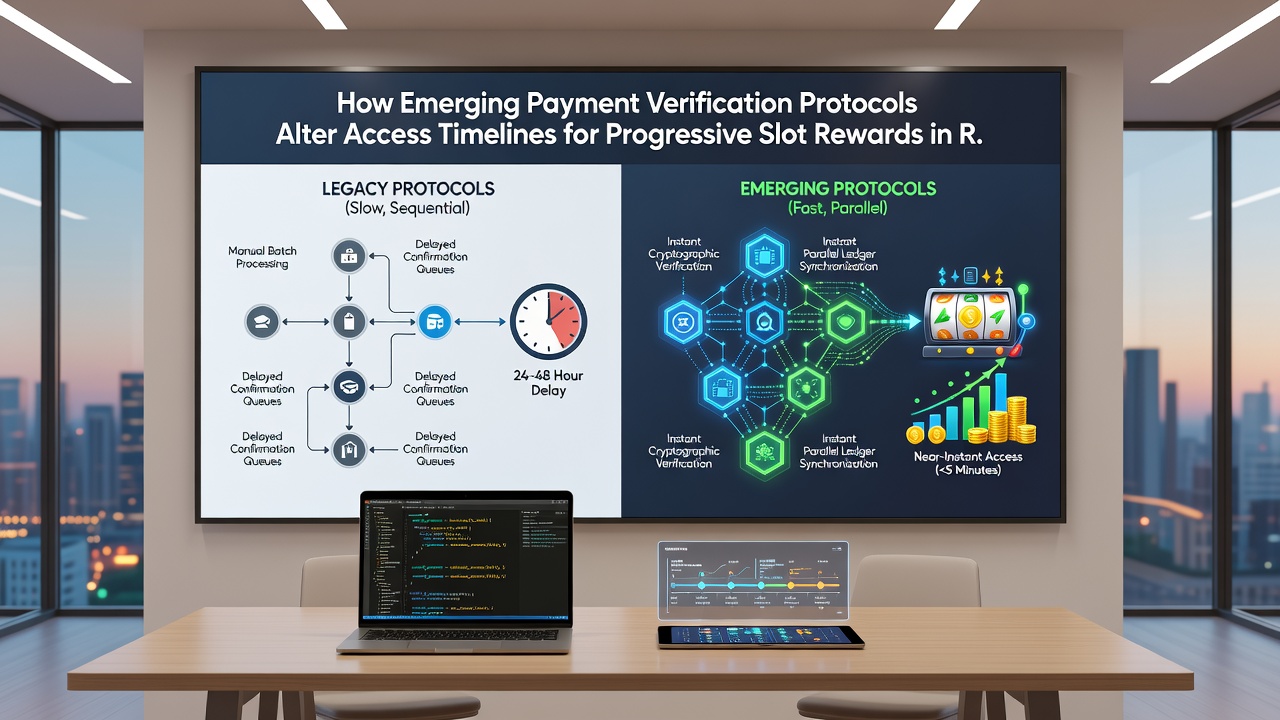
Canadian provincial regulators have piloted protocols that tie reward access to instant bank verification through participating credit unions, and results indicate most progressive claims clear within the same gaming session when no anomalies trigger secondary review. In contrast, Australian state frameworks emphasize post-win cooling periods that combine automated checks with mandatory player acknowledgments, stretching timelines to 24-48 hours even after verification succeeds. European operators operating under multi-state licenses report mixed outcomes because some national rules mandate separate tax withholding confirmations before funds release, while others permit immediate transfer once the core identity protocol clears.
Case Examples from Operational Data
One documented network in a regulated European market integrated a new verification layer in early 2025, and figures reveal that progressive reward access moved from an average of 72 hours to under 12 hours for verified accounts. Take the instance where a major jackpot triggered during peak hours: the protocol completed bank confirmation, location match, and responsible gaming flag review in a single automated sequence. Players received funds before the next login cycle in most instances. Another operator group in a different region experienced the opposite when its chosen protocol required manual override for high-value wins, pushing some claims into the following business day.
Technical Components Driving Timeline Shifts
API connections between gaming platforms and financial institutions form the backbone of these changes, while blockchain-based ledgers appear in select pilot programs for immutable win recording. When protocols embed these ledgers, reward claims gain an additional timestamp layer that regulators can audit instantly, though the extra step sometimes delays final release by the time needed to reach consensus across nodes. Studies from research institutions indicate that hybrid models combining traditional banking rails with distributed verification achieve the shortest windows because they allow parallel processing of identity and transaction checks.
October 2026 also brings scheduled updates to encryption standards in multiple jurisdictions, and these updates will require system-wide testing that may temporarily widen access timelines during transition periods. Operators have already begun staging upgrades to maintain continuity, yet any mismatch between old and new protocol versions creates brief bottlenecks until full synchronization occurs.
Industry Data and Measured Outcomes
Trade association reports compiled across multiple regulated markets show that operators adopting unified verification platforms experience more consistent reward access windows, whereas fragmented systems produce wider variance. Figures reveal average clearance times ranging from 45 minutes in the most streamlined environments to several days where sequential regulatory approvals remain mandatory. Academic analyses of transaction logs confirm that progressive rewards tied to loyalty programs with pre-verified status move through protocols faster than one-time claims, because prior authentication reduces the number of live checks required at payout.
Those who monitor these systems note that the ball remains in the court of technology providers to refine error-handling routines, since false flags currently account for a measurable portion of extended timelines. When protocols correctly distinguish between routine activity and genuine risk indicators, access speeds improve across the board.
Conclusion
Payment verification protocols continue reshaping access timelines for progressive slot rewards as regulated markets integrate newer authentication methods and cross-system data flows. Implementation details vary by jurisdiction, yet the overall pattern shows that streamlined, automated checks shorten windows while additional compliance layers extend them. October 2026 stands as a notable checkpoint for several scheduled protocol enhancements that will further define these timelines in practice.