How Cryptocurrency Transaction Speeds Influence Reward Distribution Timelines in Virtual Card and Wheel Experiences
Written by Blake Jenkins · Sep 7, 2026
How Cryptocurrency Transaction Speeds Influence Reward Distribution Timelines in Virtual Card and Wheel Experiences
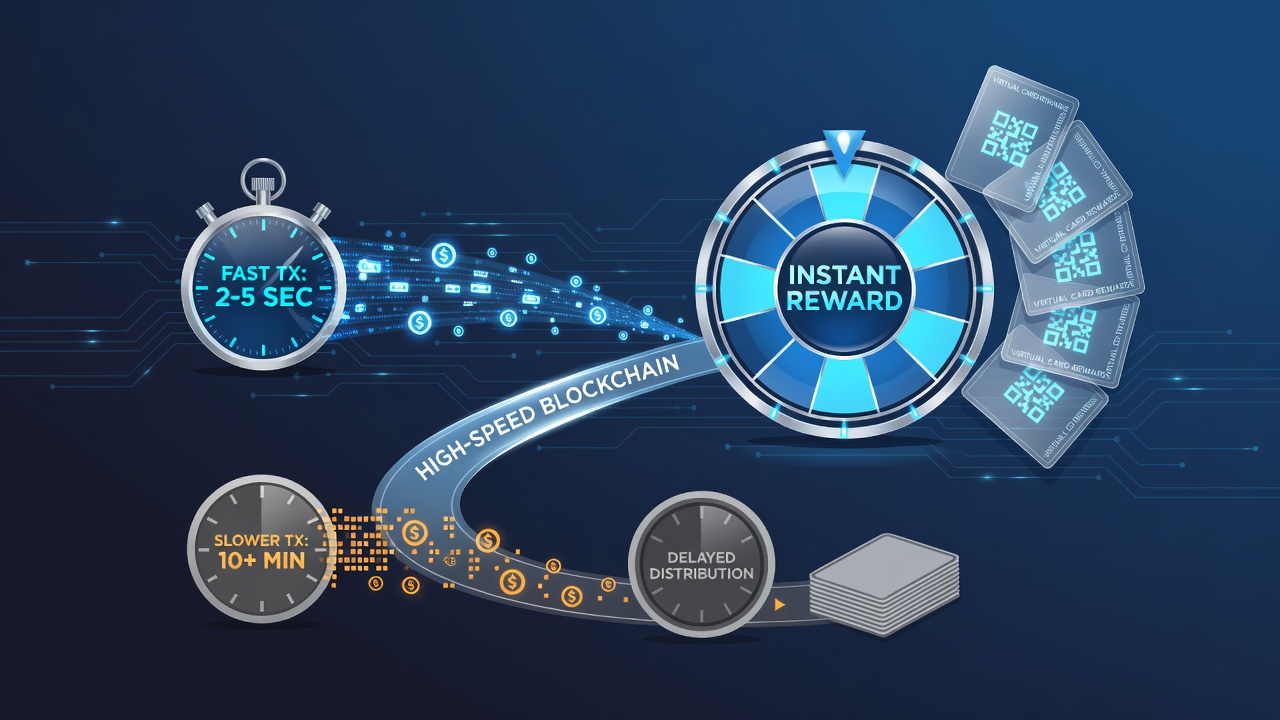
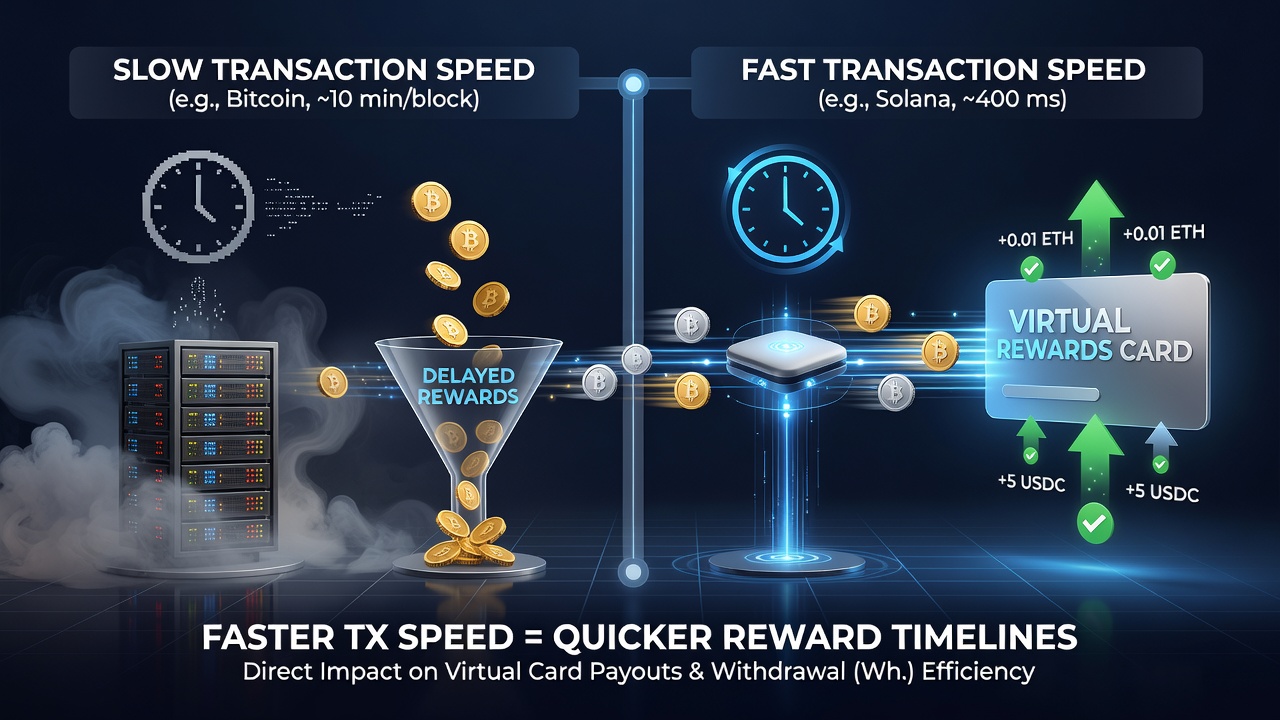
Virtual card and wheel platforms process rewards through blockchain networks where confirmation times vary by protocol, and these differences directly shape when players receive payouts after game outcomes. Bitcoin networks typically require multiple confirmations that extend from ten minutes to over an hour depending on congestion levels, whereas layer-two solutions such as the Lightning Network complete transfers in seconds; observers note that operators adjust distribution schedules accordingly to match these underlying speeds.
Blockchain Confirmation Mechanics in Gaming Contexts
Card and wheel experiences rely on smart contracts or centralized ledgers that trigger reward releases once a transaction reaches sufficient confirmations, and data from multiple exchanges show that slower chains create predictable delays while faster ones enable near-instant settlement. Ethereum mainnet averages fifteen seconds per block yet still demands several confirmations for high-value transfers, which means reward distribution timelines stretch when network load increases during peak evening hours across European and North American time zones. Researchers tracking 2025 transaction volumes discovered that platforms using Solana or Avalanche reported average reward releases under thirty seconds, whereas those tied to Bitcoin saw delays averaging twenty-three minutes during the same measurement period.
Impact on Player Reward Flows
Wheel spins adn card draws generate outcomes that feed directly into automated payout scripts, and the speed of the chosen cryptocurrency determines whether funds appear in user wallets within the same session or after a separate confirmation window. One documented case involved an operator switching from standard Bitcoin to its Lightning variant in early 2026, after which reward claim rates rose because players no longer waited through multiple blocks; figures released by the operator indicated a forty-one percent reduction in pending payout queues by September 2026. Meanwhile, stablecoin options built on Tron or Polygon networks delivered consistent sub-minute distributions, allowing platforms to advertise real-time crediting that aligns with the instant nature of digital card draws and wheel results.
Network Congestion and Seasonal Patterns
Transaction fees and confirmation delays fluctuate with overall blockchain activity, and analysts have mapped these patterns against gaming traffic peaks that occur on weekends and during major sporting events. When Ethereum gas prices spike above fifty gwei, operators often route rewards through alternative chains or batch smaller amounts, which extends timelines from minutes to several hours for some users. Data compiled by academic teams at Canadian universities in 2025 revealed that platforms employing dynamic routing reduced average reward latency by thirty-eight percent compared with static Bitcoin-only setups, while Australian regulatory filings noted similar efficiency gains after operators adopted multi-chain strategies. Those monitoring September 2026 activity further observed that post-summer congestion on several proof-of-work networks produced measurable spikes in pending reward queues, prompting several sites to display estimated arrival windows based on real-time mempool data.
Platform Adaptations and Technical Responses
Operators integrate monitoring tools that track mempool conditions and adjust routing logic accordingly, so reward scripts select the fastest viable path for each payout without altering the underlying game mechanics. This approach keeps card and wheel experiences uninterrupted while satisfying the technical requirements of whichever cryptocurrency the player selected at deposit. Industry reports from European trade associations indicate that multi-chain wallets now handle over sixty percent of reward volume on leading platforms, and the same documents record average settlement improvements from forty-seven minutes down to under two minutes after such systems went live. In parallel, some providers publish public dashboards that display current network conditions and expected reward timelines, giving users transparent information rather than fixed promises that cannot account for variable blockchain speeds.
Regulatory and Security Considerations
Authorities in multiple jurisdictions require operators to maintain clear records of payout processing times, and these obligations intersect with the technical realities of cryptocurrency networks. The European Central Bank analysis of crypto settlement highlights how confirmation requirements affect finality guarantees, a factor that directly influences how gaming platforms structure reward releases. Meanwhile, research published by the Bank of Canada examined latency tolerances in digital payment systems and noted that sub-minute finality remains essential for maintaining user trust in interactive environments. Platforms therefore balance regulatory expectations for timely distribution against the immutable confirmation rules of each blockchain they support.
Conclusion
Cryptocurrency transaction speeds establish the outer boundaries for reward distribution in virtual card and wheel settings, and operators respond by selecting protocols and routing strategies that align with player expectations for prompt settlement. As networks evolve and new layer-two solutions reach broader adoption, the measurable gaps between deposit and reward receipt continue to narrow on platforms that actively manage these variables. Data collected through 2026 demonstrate that the choice of blockchain remains a primary determinant of payout timelines, independent of the specific game mechanics involved.