Analyzing Digital Wallet Adoption Patterns Across Broadcasted Table Game Sessions
Written by Paul Jenkins · Aug 19, 2026
Analyzing Digital Wallet Adoption Patterns Across Broadcasted Table Game Sessions
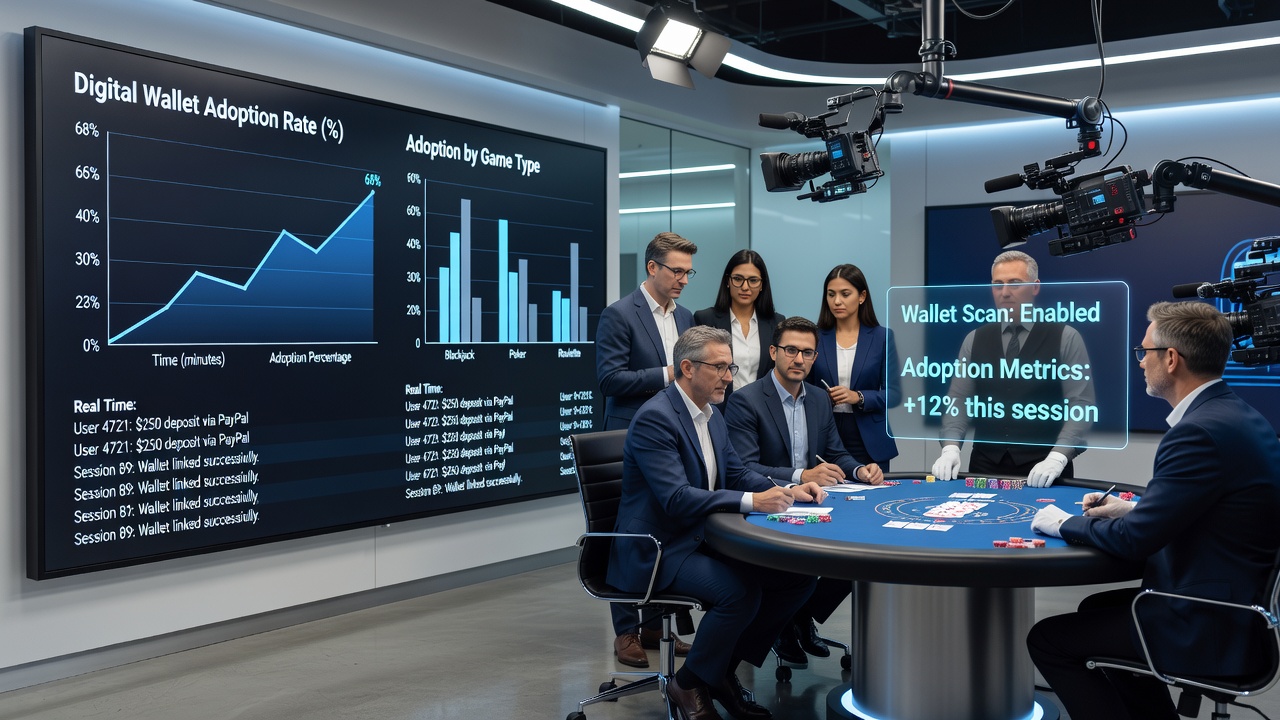
Digital wallet adoption in broadcasted table game sessions has accelerated as operators integrate real-time payment solutions into live dealer environments, and data collected through 2026 reveals distinct usage clusters tied to session duration, game type, and geographic access points.
Overview of Broadcasted Table Game Environments
Broadcasted table game sessions transmit live dealer action from centralized studios to remote participants, and these streams support multiple payment rails that allow instant deposits during active play; researchers tracking platform telemetry note that wallet transactions now account for a growing share of funding activity compared with traditional card methods, particularly in sessions exceeding forty-five minutes.
Operators configure these environments with API connections to popular wallet providers, which reduces friction at the point of play and enables seamless top-ups without leaving the broadcast window, while system logs from major platforms indicate higher retention rates among users who complete at least one wallet transaction per session.
Key Metrics on Wallet Integration
Platform analytics compiled through August 2026 show wallet-based deposits rising steadily across roulette, blackjack, and baccarat streams, and adoption curves differ by wallet brand, with certain providers capturing larger market segments in North American and European feeds than in Asia-Pacific regions. Figures from industry monitoring groups reveal that average transaction values processed through wallets during peak evening hours exceed those routed through credit cards by measurable margins, and session data confirms that repeat users favor wallets for their speed when re-entering live tables after brief pauses.
Regional Variations in Adoption
North American markets display concentrated wallet usage in states with established online frameworks, whereas European operators report broader provider diversity because of varied licensing requirements; analysts at the Nevada Gaming Control Board have documented wallet transaction volumes climbing in regulated live dealer offerings, and comparable patterns appear in reports issued by the European Gaming and Betting Association across multiple jurisdictions. Australian operators, meanwhile, register lower overall wallet penetration in broadcast sessions, yet the rate of new account linkages has increased following infrastructure upgrades completed in early 2026.
Behavioral Patterns During Live Sessions
Telemetry from broadcast platforms indicates that participants initiate wallet deposits most frequently during natural breaks between hands or rounds, and these micro-transactions correlate with extended session lengths when compared with single-funding events at the start of play. Observers note that users who link wallets early in a session demonstrate higher engagement metrics across multiple table types, while those relying solely on cards show greater attrition after the first hour; case studies drawn from aggregated operator data highlight one European studio where wallet-linked accounts maintained average session times twenty percent longer than non-wallet cohorts over a three-month measurement window.
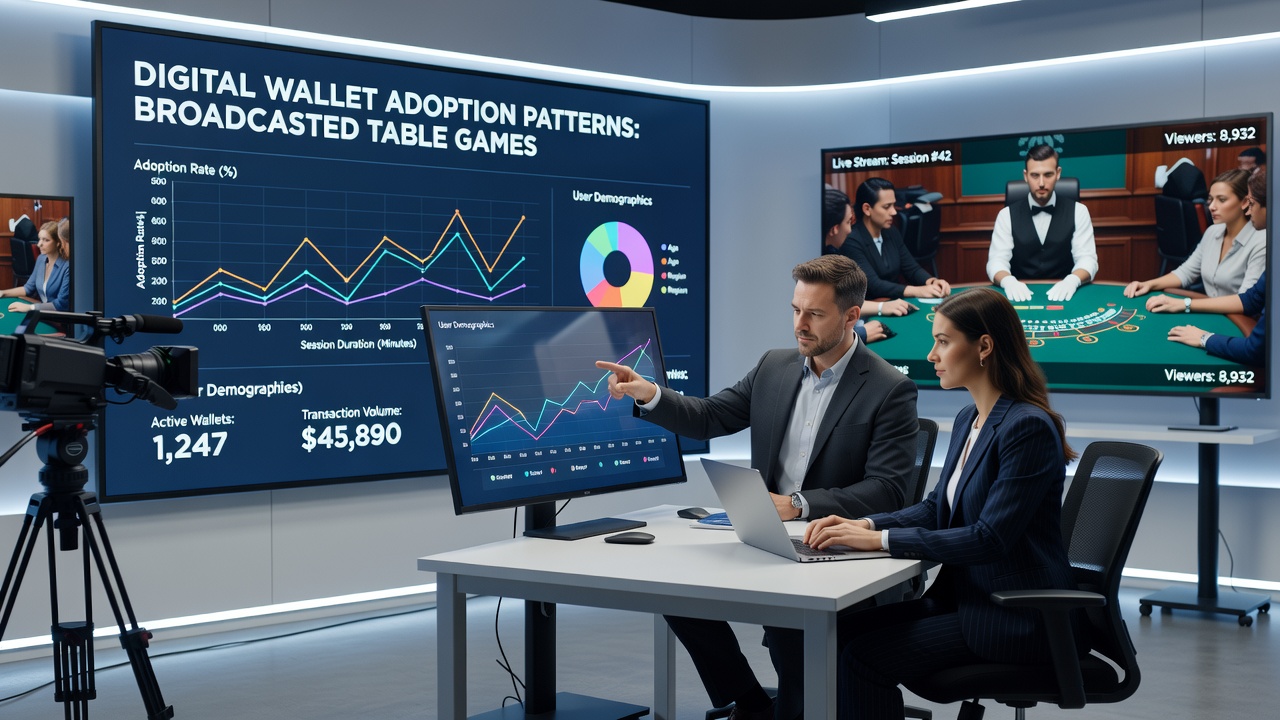
Time-of-day analysis further reveals evening peaks in wallet activity that align with prime-time broadcasts, and weekday versus weekend splits demonstrate consistent wallet preference on both schedules when session volume exceeds baseline thresholds. Researchers tracking these flows emphasize that wallet adoption does not eliminate other payment methods but rather supplements them, creating hybrid funding sequences within individual user journeys.
Technical and Regulatory Influences
API standardization efforts by wallet providers have lowered integration barriers for broadcast platforms, allowing faster settlement and reduced latency during live play, and regulatory frameworks in several markets now require explicit disclosure of wallet processing times before users commit funds. Compliance documentation from multiple licensing bodies shows that wallet transactions receive the same anti-money-laundering scrutiny as other methods, which has prompted operators to embed verification checkpoints that occasionally interrupt rapid re-deposits. Data indicates these checkpoints affect adoption velocity differently across regions, with streamlined processes in mature markets producing higher completion rates than those still refining their protocols.
Future Trajectory Based on Current Data
Projections derived from adoption curves recorded through August 2026 suggest continued wallet growth in broadcasted table environments, driven by expanded provider availability and improved mobile compatibility. Platform operators continue to refine session interfaces to surface wallet options more prominently during live dealer transitions, and telemetry feedback loops allow real-time adjustments to payment prompts based on observed user behavior. Academic analyses of similar payment ecosystems in adjacent entertainment sectors provide additional context for interpreting these gaming-specific trends without relying on direct cross-industry extrapolation.
Conclusion
Digital wallet adoption in broadcasted table game sessions follows measurable patterns shaped by session length, regional licensing, and technical integration quality, and ongoing data collection through established regulatory and industry channels continues to refine understanding of these dynamics. The evidence assembled to date demonstrates clear linkages between wallet usage and session engagement metrics across multiple markets, while highlighting the importance of localized approaches to payment infrastructure. Continued monitoring will clarify how these patterns evolve alongside broader shifts in live dealer broadcasting technology and regulatory standards.